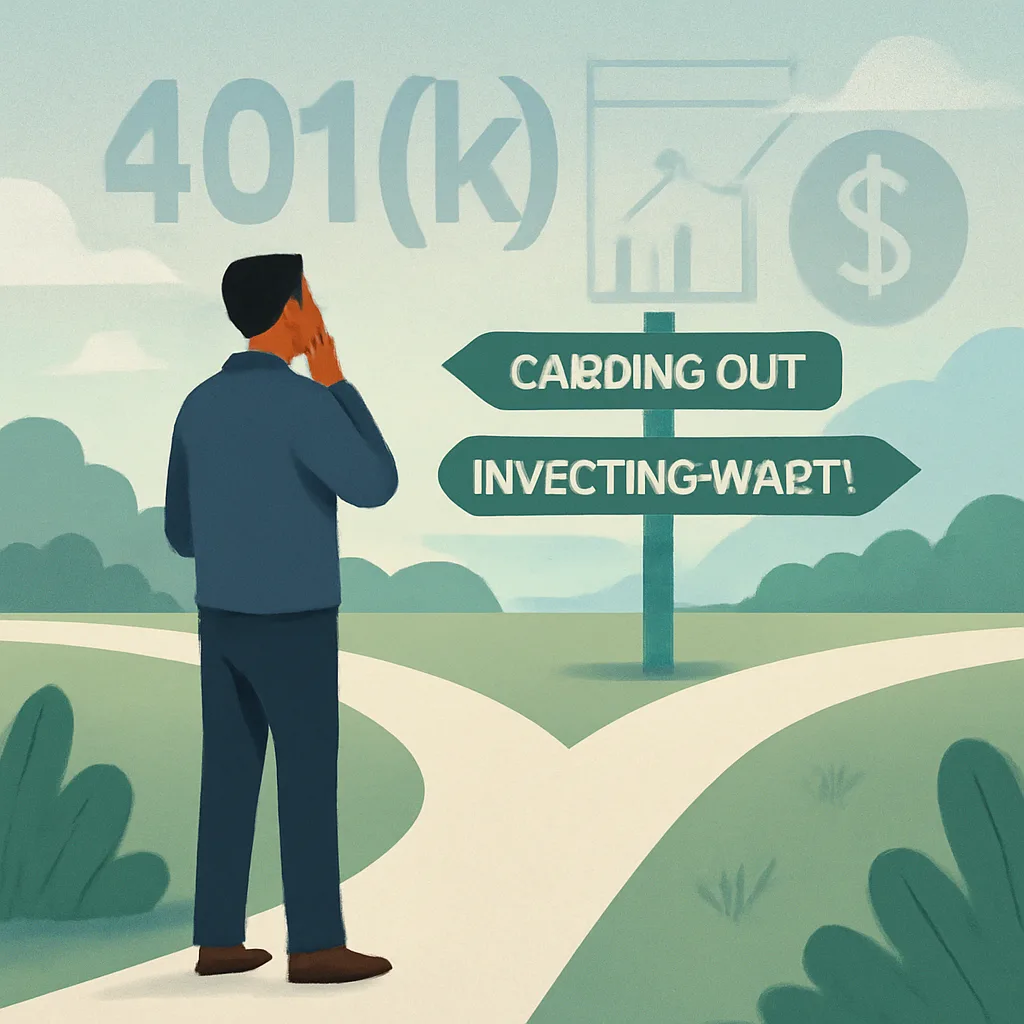
Understanding the Risks of 401(k) Withdrawals: What You Need to Know Before Cashing Out
Cashing out your 401(k) can seem like an attractive option during financial stress, but it comes with serious risks and penalties that could significantly impact your long-term financial health. Before you make a decision, it’s crucial to understand the implications of withdrawing funds from your retirement account. In this article, we’ll break down the costs, risks, and alternatives to help you navigate this important financial decision.
The Immediate Consequences of Cashing Out
One of the primary reasons people consider cashing out their 401(k) is to access funds quickly. However, withdrawing money from a 401(k) before the age of 59½ typically incurs a 10% early withdrawal penalty, in addition to ordinary income taxes on the amount withdrawn (source: IRS.gov). For example, if you withdraw $10,000, and you are in the 22% tax bracket, you’ll owe $2,200 in taxes plus an additional $1,000 penalty, totaling $3,200 in immediate costs.
Furthermore, cashing out eliminates the potential for your investment to grow tax-deferred, which can significantly impact your retirement savings. The money you withdraw cannot earn compound interest, which means you are not only losing the funds you take out, but also the growth that money could have generated over time.
Alternative Options to Consider
Before deciding to cash out, it’s worth exploring alternatives that could help you avoid costly penalties. Here are a few options:
- Loan Against Your 401(k): Many plans allow you to borrow against your 401(k) balance, enabling you to access funds without incurring penalties or taxes if repaid on time. However, if you leave your job before the loan is repaid, you may be required to pay the entire amount back quickly, or it will be treated as a distribution, incurring penalties.
- Hardship Withdrawal: If you are facing immediate financial hardship (such as medical expenses or avoiding eviction), you may qualify for a hardship withdrawal. While you will still owe taxes, the 10% penalty may be waived in certain situations (source: IRS.gov).
- Rollover to an IRA: If you’re changing jobs, consider rolling over your 401(k) into an IRA. This allows you to maintain tax-deferred growth without the penalties associated with cashing out.
Long-Term Financial Implications
Cashing out a 401(k) can have devastating long-term effects on your retirement savings. For instance, if you withdraw $50,000, and assuming an average annual growth rate of 7%, you could lose out on approximately $386,000 by the time you reach retirement age (source: Bankrate.com). This lost potential growth can severely compromise your financial security in retirement.
Additionally, withdrawing funds can affect your overall retirement strategy. It may force you to save more aggressively later in life or result in a lower standard of living during retirement. The earlier you withdraw, the greater the impact on your future financial health.
What to Watch Next
As you consider your options, keep an eye on potential changes to retirement account regulations and tax laws that could impact your decision. Staying informed will ensure you can adapt your strategy as needed. Additionally, consulting with a financial advisor can provide personalized insights and help you explore all available options.
Key Takeaways
- Cashing out your 401(k) incurs penalties and taxes that can significantly reduce your savings.
- Alternatives like loans, hardship withdrawals, or rollovers can help you avoid penalties.
- The long-term implications of cashing out can jeopardize your retirement security.
- Stay informed about changes in regulations and consider professional financial advice.
In conclusion, while cashing out your 401(k) might provide quick access to funds, the risks and penalties can far outweigh the benefits. It’s essential to explore all alternatives and consider the long-term implications before making such a significant financial decision. Investing in your future means making informed choices today, so think carefully about your options before proceeding with a withdrawal.
Source Snapshot
| Source | Main angle | URL |
|---|---|---|
| 1 | Eurozone braces for first interest rate rise since 2023 as ECB battles inflation – business live | https://www.theguardian.com/business/live/2026/jun/11/ryanair-investigation-seating-children-eurozone-interest-rates-middle-east-oil-uk-hous |
| 2 | Claude Fable is too scared to teach you about the powerhouse of the cell | https://www.theverge.com/ai-artificial-intelligence/947973/fable-wont-answer-basic-biology-questions |
Sources
This article aggregates 2 sources. Click (source N) inline to jump to the matching entry.